Objective
To assess the feasibility of distal transradial access in the anatomical Hegu acupoint for coronary angiography and interventions.
Subjects
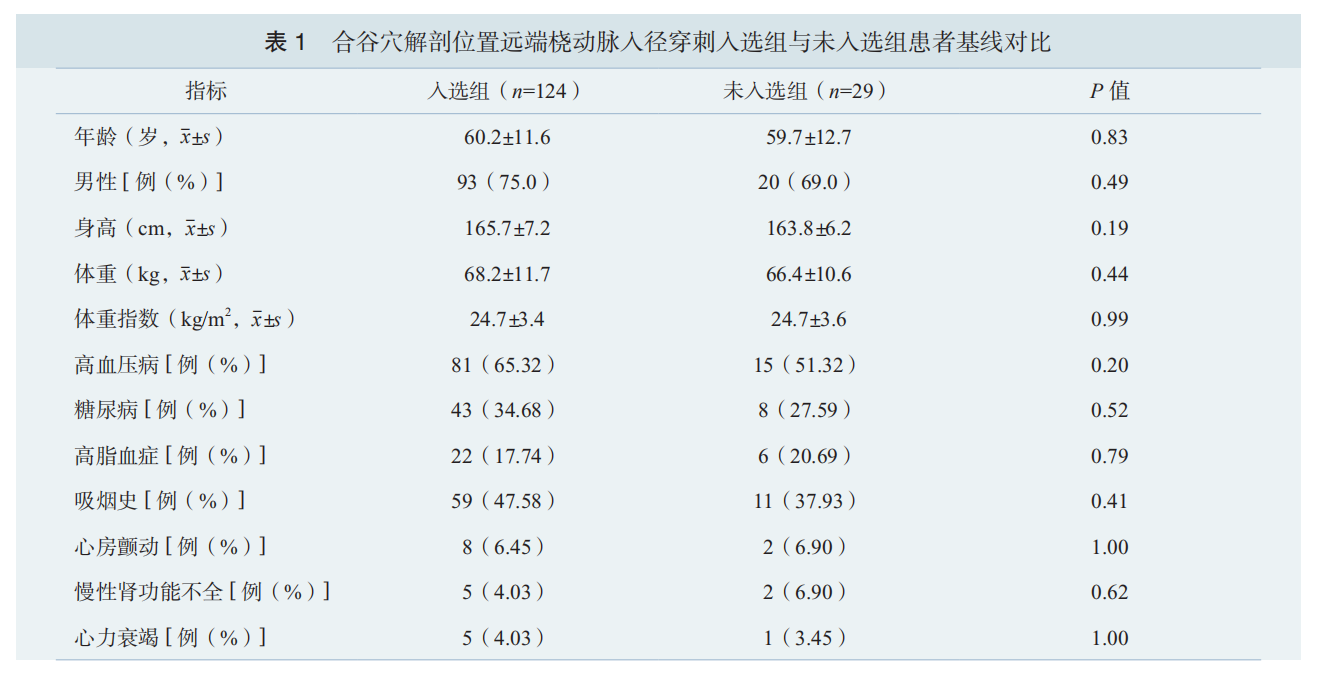
This study enrolled 153 consecutive patients undergoing percutaneous coronary angiography and interventional therapy through right distal transradial access in the anatomical Hegu acupoint between March 1, 2019 and March 31, 2019 in Shenzhen People's Hospital. One hundred and twenty-four patients were selected, while the other 29 patients were excluded due to the lack of pulsation or weak pulsation at the anatomical location of right.
Interventions
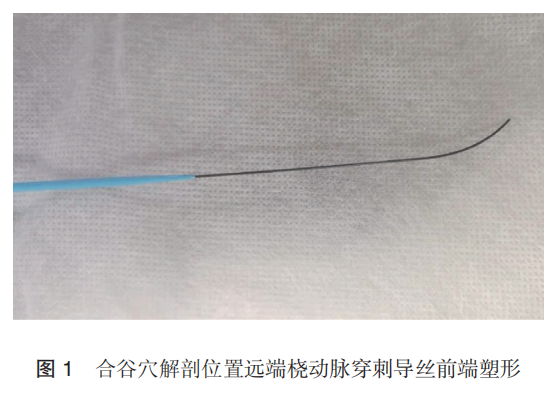
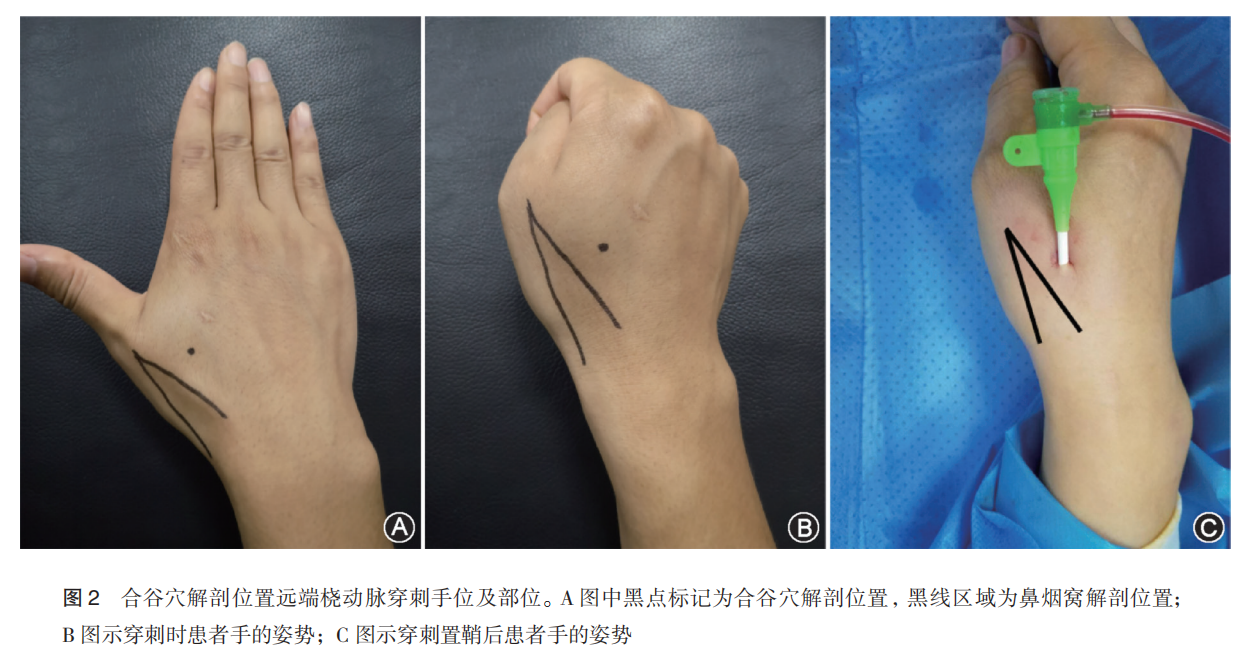
The puncture of right distal transradial access in the anatomical Hegu acupoint was performed, and the sheath of 6 F TerumoTalmao radial artery was inserted along the guidewire to complete the puncture.
Main Outcomes and Measurements
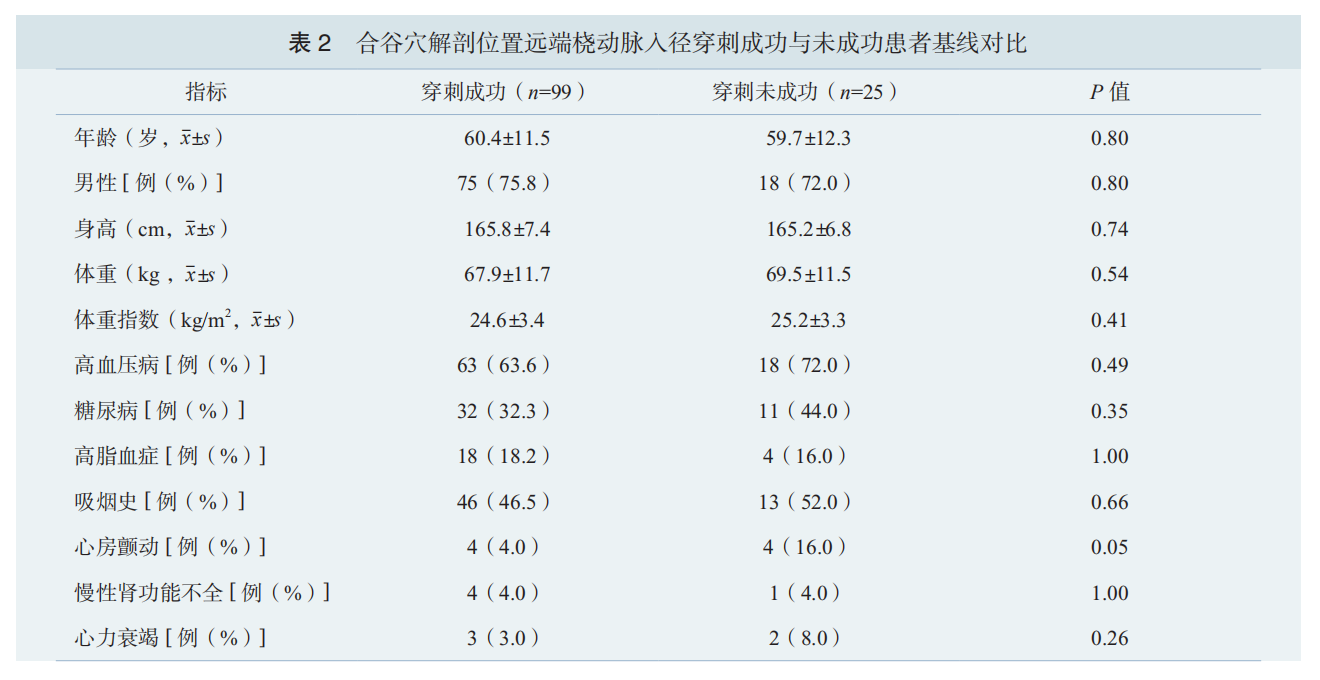
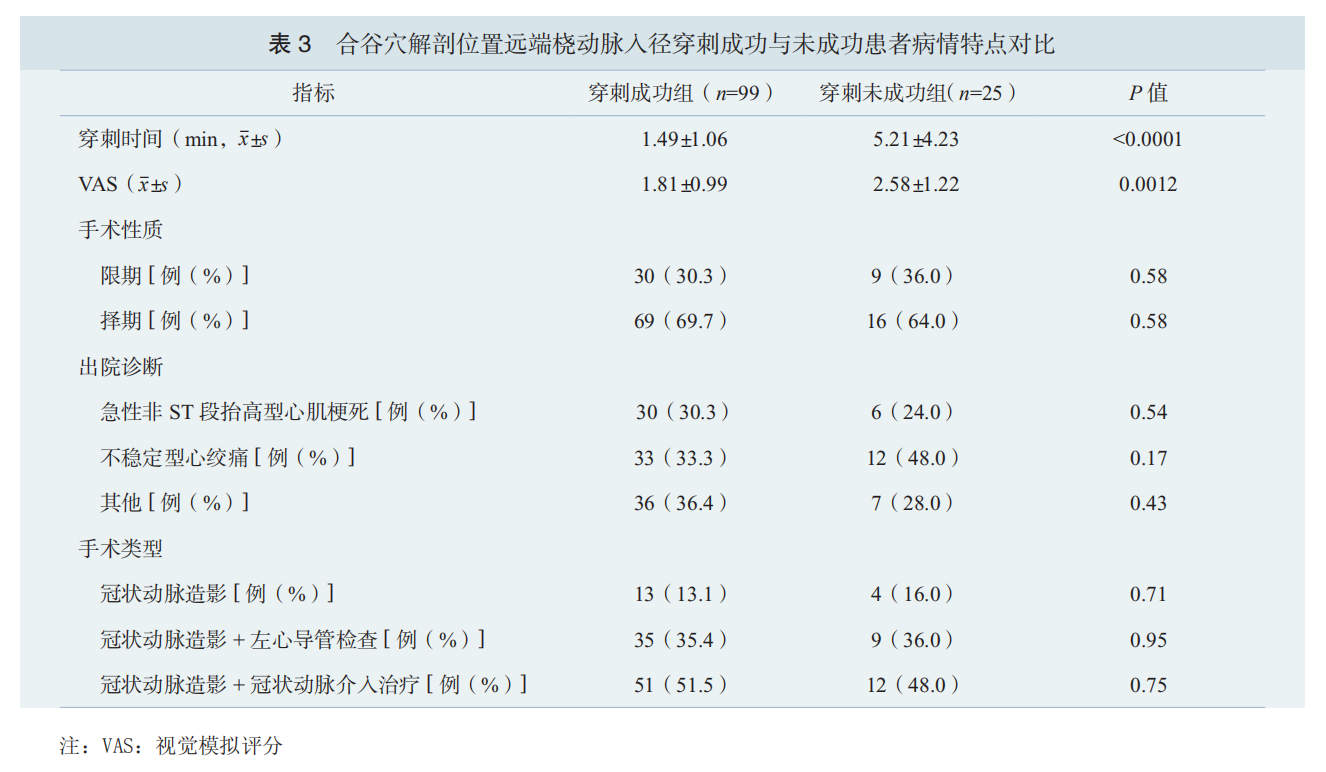
The age, height, weight, body mass index, puncture time, and VAS pain score were obtained observed, and Student's t-test was used for the comparison between the enrolled group and the unenrolled group, the successful group and the unsuccessful group. The gender, hypertension, diabetes, hyperlipidemia, smoking history, atrial fibrillation, chronic renal insufficiency, heart failure, nature of the surgery, discharge diagnosis, and type of surgery were compared using Chi-square test between the enrolled group and the unenrolled group, the successful group and the unsuccessful group. P<0.05 was considered statistically significant.
Results
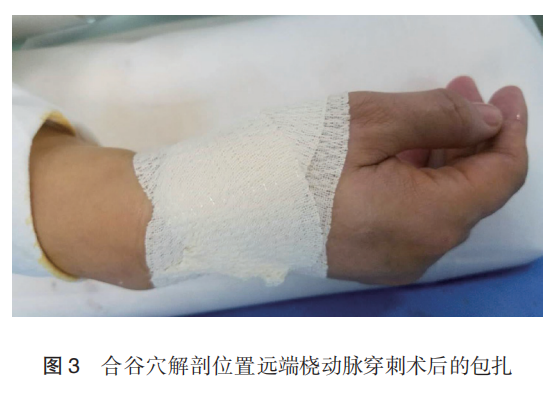
Among the 124 patients enrolled, 93 were males, accounting for 75%, with the age of (60.2±11.6) years old, the height of (165.7±7.2) cm, and the weight of (68.2±11.7) kg, showing no statistical significance (P>0.05) compared with the 25 patients not enrolled. The distal transradial access in the anatomical Hegu acupoint was achieved in 99 patients with a success rate of 79.84%. In 8 patients, arterial puncture failed, while in 17 others, despite successful arterial puncture the wire could not be advanced towards the forearm part of the radial artery. The mean puncture time was (1.49±1.06) min, and the mean visual analogue scale was (1.81±0.99). Thirteen patients completed coronary angiography alone, 35 patients completed coronary angiography plus left cardiac catheterization, and 51 patients completed coronary angiography plus coronary intervention. No radial artery occlusion, subcutaneous hematoma or compartment fascia syndrome occurred.
Conclusion
Distal transradial access in the anatomical Hegu acupoint is feasible, safe, and comfortable for patients undergoing coronary angiography or interventions.